Commercial, Retail, or Editorial? Teaching Students How Photography Careers Really Work
Sep 06, 2026
When we introduce students to photography careers, it is easy to give them a giant list of familiar genres such as portraits, weddings, sports, food, fashion, products, real estate, photojournalism, and dozens more.
But there's a problem with teaching photography careers this way.
Because those categories overlap... A lot.
A photographer could photograph a basketball player for a family, a shoe company, or a magazine. The subject might be exactly the same, but the client, purpose, and way the photograph is used can completely change the type of photography being created.
That is why I introduce my Photography students to three broader areas of the photography industry: Commercial, Retail, and Editorial Photography.
Start With What Students Already Know
Before defining anything, I ask students to work in groups and brainstorm as many photography specialties as they can.
Usually we get answers like:
- Wedding Photographer
- Sports Photographer
- Fashion Photographer
- Food Photographer
- Wildlife Photographer
- Portrait Photographer
- Real Estate Photographer
- Product Photographer
And they're not wrong, these are all different types of photography specialties!
The goal with this part of the lesson is to get them thinking about just how many different directions a photography career can take before we start looking at how those careers fit into the larger industry.
Then I introduce our three categories: Commercial, Retail and Editorial.
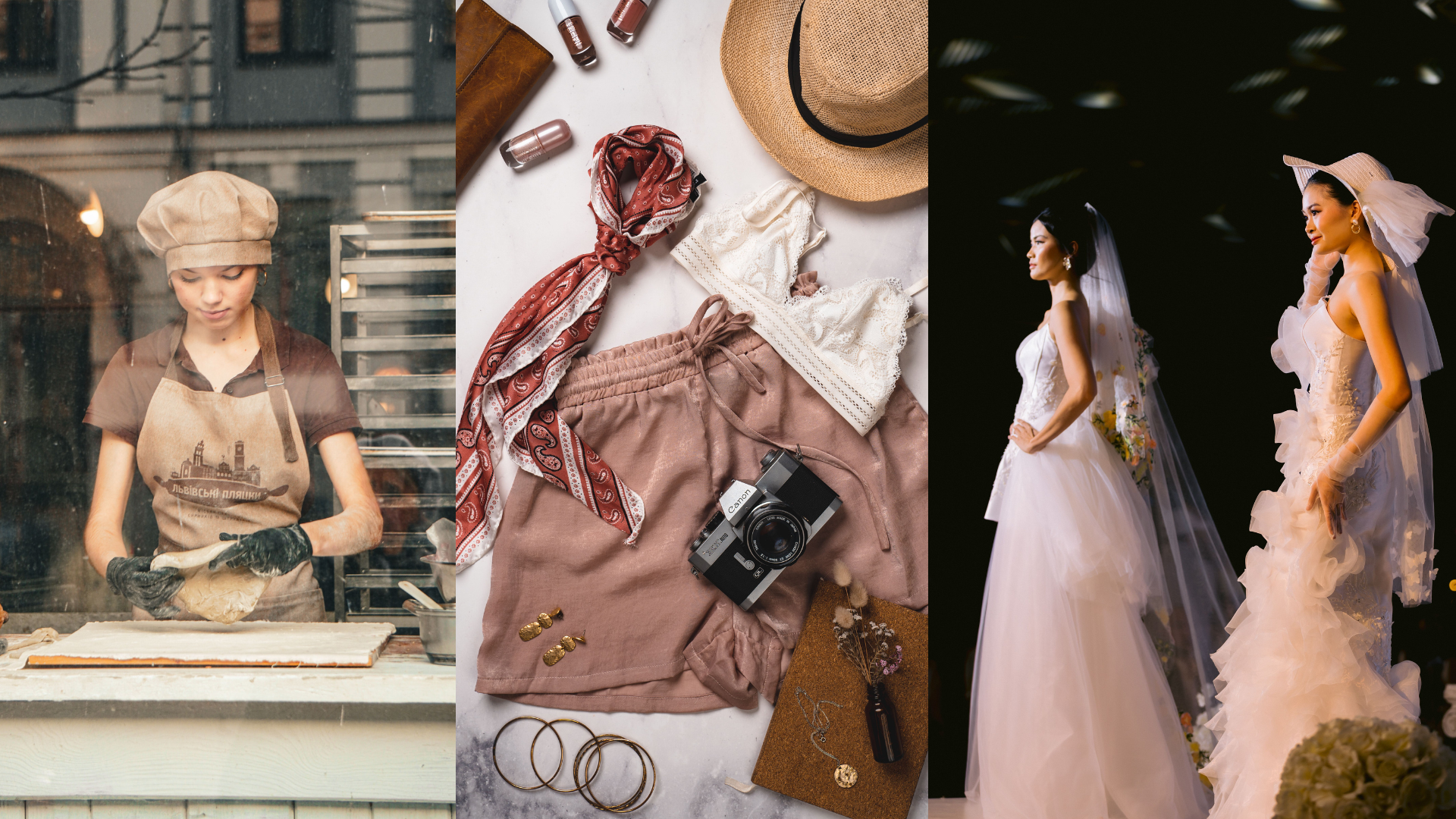
Commercial Photography
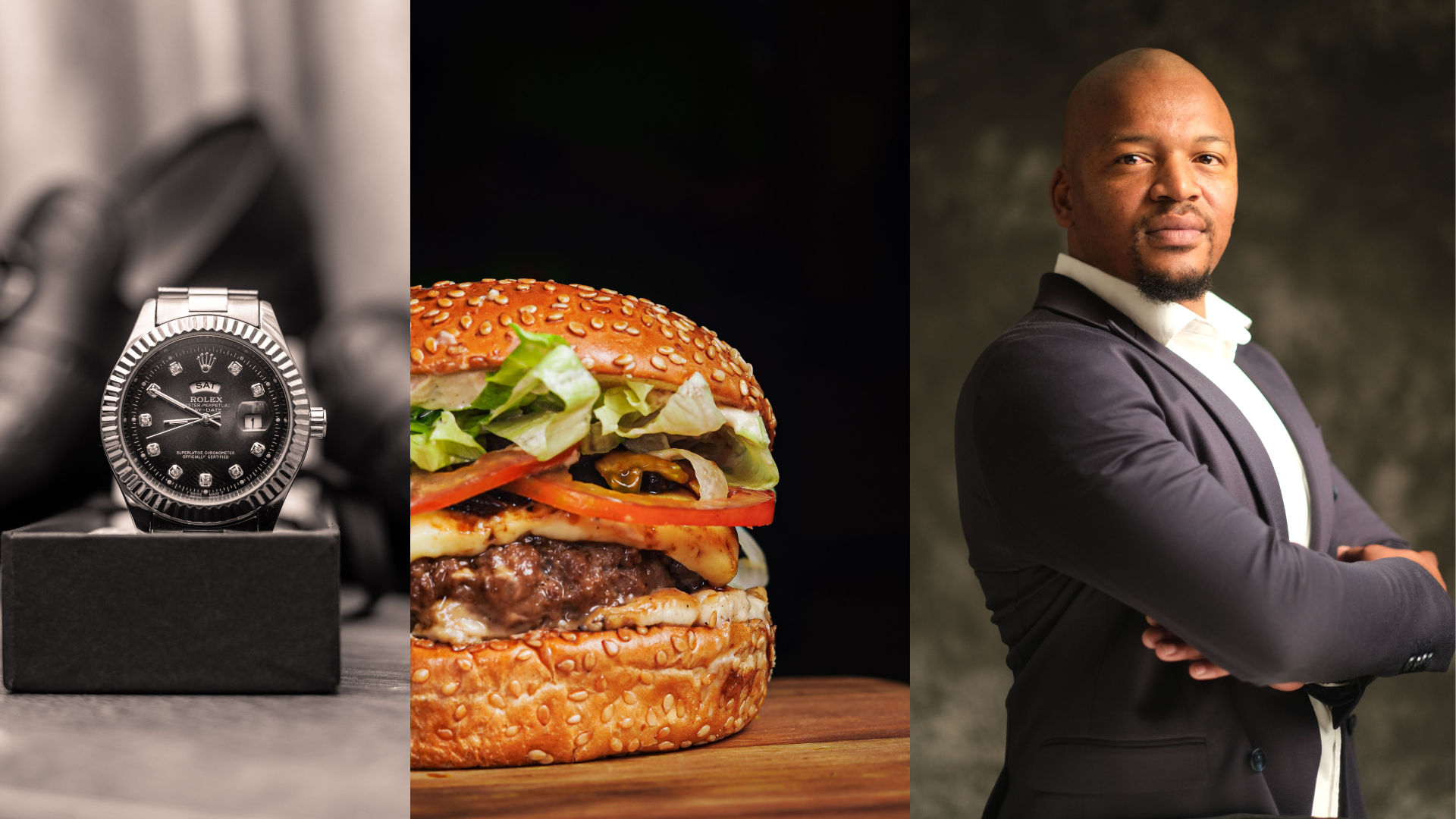
Commercial photography uses a Business to Business (B2B) model. A photographer is hired by a business or organization to create photographs that help promote or sell something.
This might include advertising, products, food, fashion, architecture, real estate, automotive photography, corporate headshots, and much more.
The question I want students to start asking is:
"Is this photograph trying to make me want to buy, visit, hire, or experience something?"
Commercial Photography is often the type of photos we see most often without even realizing it.
Retail Photography
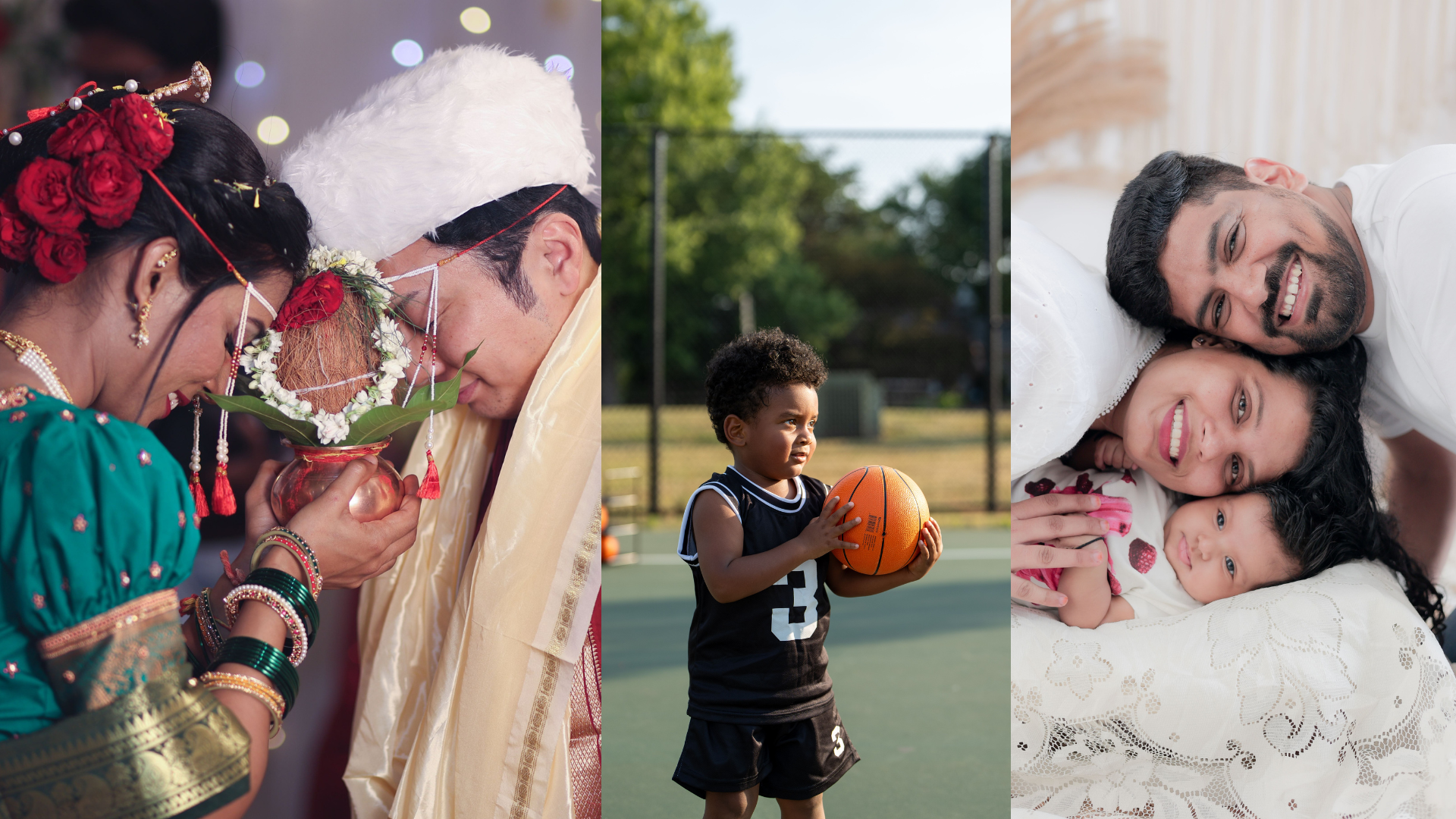
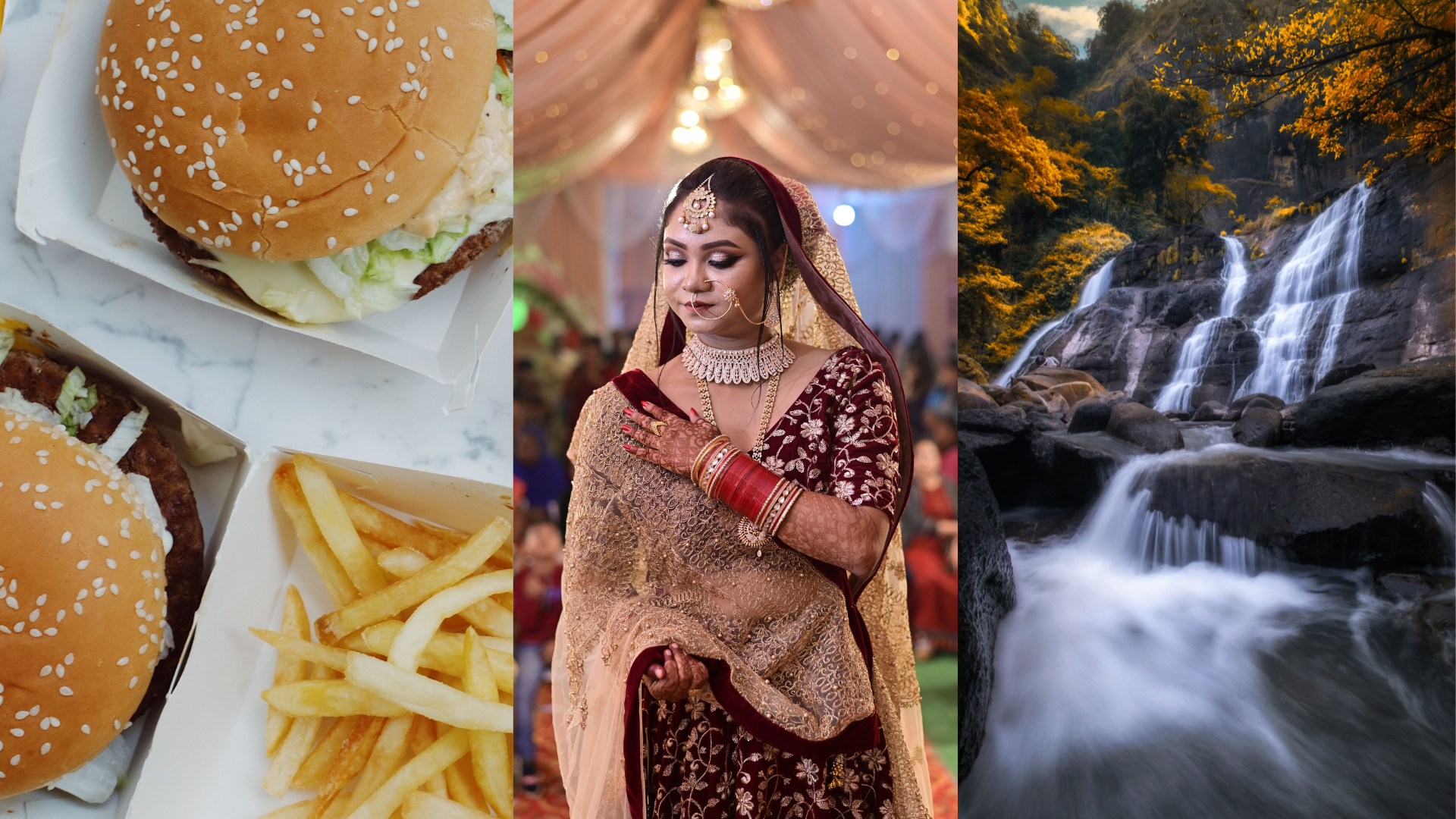
Retail photography uses a Business to Consumer (B2C) model. Instead of a company hiring the photographer to help sell something, an individual is purchasing photography services for themselves.
Think weddings, family portraits, senior portraits, newborn photography, school portraits, engagements, pets, and other milestone photography.
A simple question students can ask is:
"Would the person in this photograph want to hang this in their house for themselves or give to others as a gift?"
That doesn't work in every situation, but it gives beginners a surprisingly effective starting point.
Retail Photography is the type of photography most of my students think of first, because this is they type of photography they've usually had the most experience with or have looked into the most.
Editorial Photography
Editorial photography is where things get a little gray...
Like commercial photography, it generally uses a business to business model where a newspaper, magazine or other publication type has hired a photographer, but instead of the photograph's primary purpose being to sell a product or service, editorial photography is generally created to tell a story, communicate information, document something, or bring awareness to a topic.
This can include news, sports, documentary work, travel, environmental photography, politics, events, and human-interest stories.
Now, you could argue that the images are being created to ultimately sell the magazine, newspaper, etc - but the visual usually focuses more on storytelling than on selling and that's the key difference.
Here I ask students:
"Is this photograph trying to sell me something, or tell me something?"
Editorial Photography is another type of photography we see all around us without realizing it.
The Gray Area
Now here's the thing - I don't want students leaving this lesson believing that weddings always fit into retail photography or products are always commercial or that sports are always editorial - because a TON of these subjects can overlap very easily.
Once students understand these 3 basic categories, I start throwing curveball at them and this is where it gets really fun (for me at least) because I watch them start to get really heated trying to prove one way or the other.
Imagine a photographer creates an engagement portrait of a couple.
The couple hired the photographer and purchased the images.
Retail - obv. (obviously in teen slang)
But then the photographer uses that same photograph in an advertisement for their photography business.
Now the image has a commercial use.
What if the couple is wearing jewelry from a local designer and the photographer reaches out to the jewelry company to license that photograph for an advertisement?
Commercial again.
The photograph itself didn't change, Its purpose or use did.
The photographer could also reach out to local wedding magazines and submit images for publication (with the bride and groom's permission of course). If the images get picked up for a story - possibly about the vendors at the wedding like the florist, baker, the venue itself, the couple, the fashion, the stylist, or even the photographer themselves - these images would then take on an editorial use.
The lesson becomes less about classifying specific types of photography into perfect little boxes, and more about learning to ask who was the image created for and how is it being used.
Students Investigate the Images
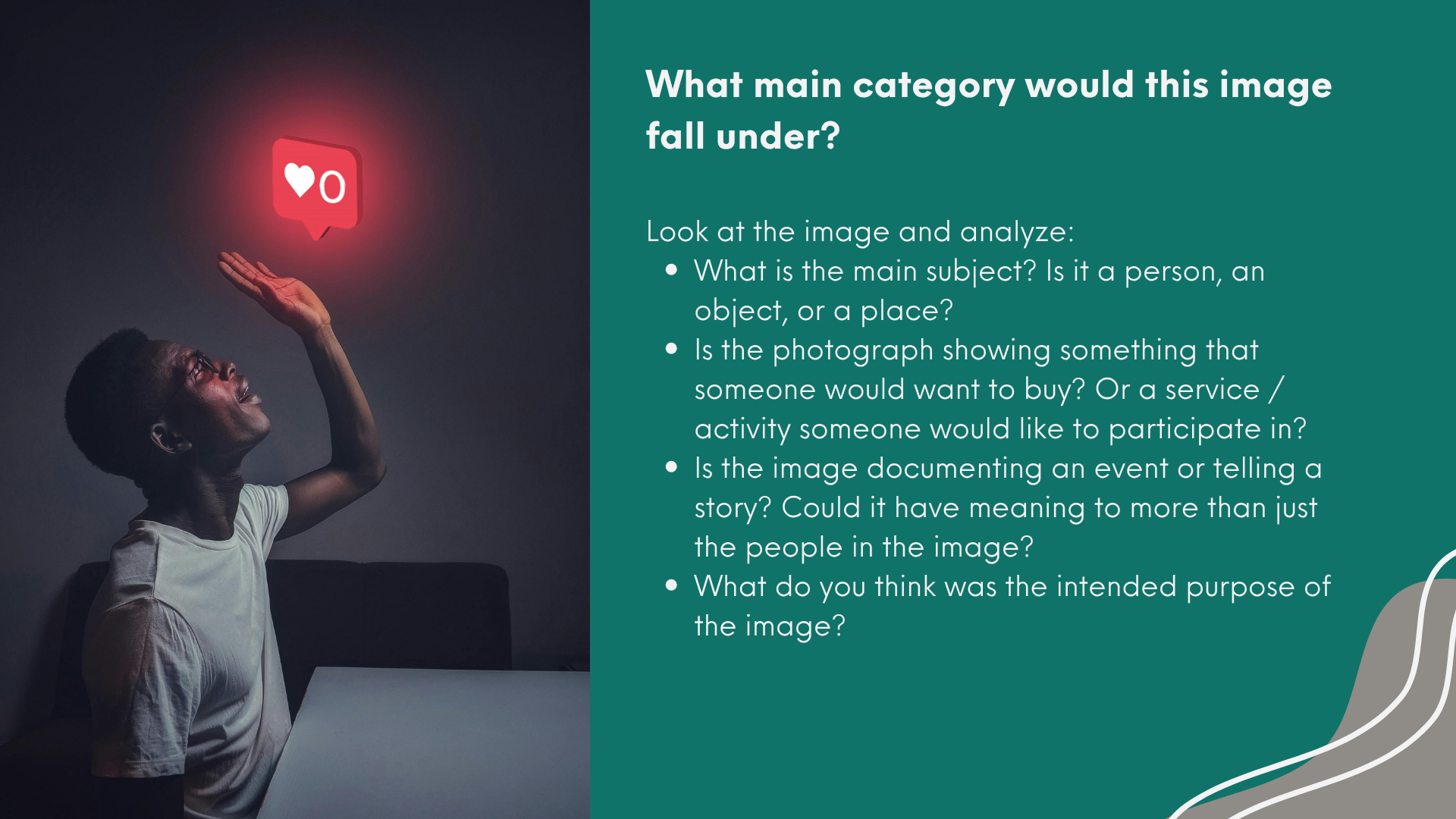
After introducing the categories, I show students photographs without immediately telling them where they belong - and I've just created a Blooket to go along with this lesson to help gamify your classroom as well!
For each image, students consider questions like:
- What is the main subject?
- Is something being sold?
- Is there a larger story being communicated?
- Who might have paid for this photograph?
- Where might this image appear?
- What do you think its intended purpose was?
Sometimes there is a clear answer and sometimes there isn't - but that uncertainty is intentionally designed so that your students begin to realize that they need context before they can confidently classify an image.
Connecting It Back to Photography Careers
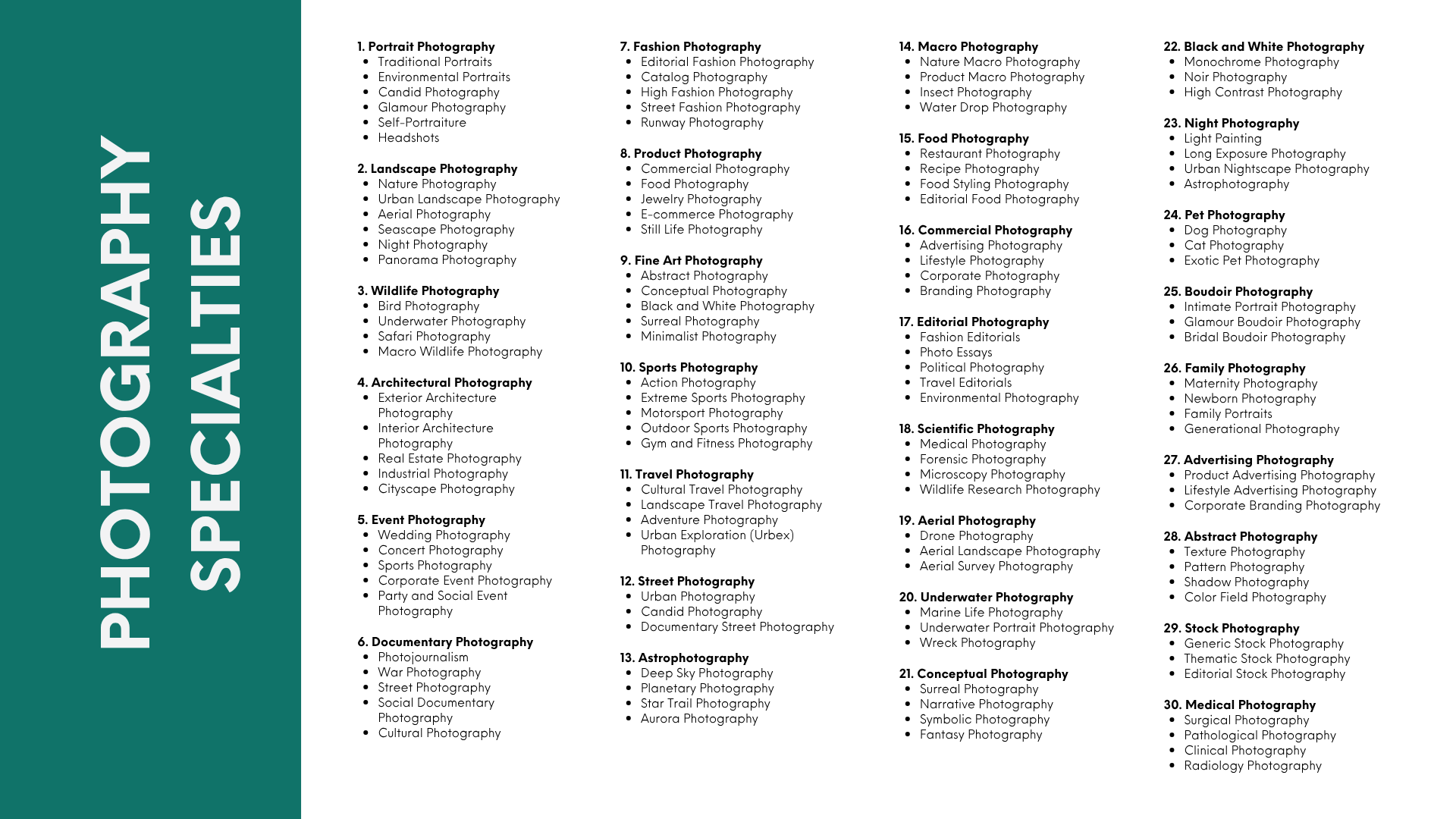
At this point, students are still usually a little confused but starting to grasp the concept (especially when I've used the Blooket activity) and they are able to define Commercial, Retail, and Editorial Photography, I have them return to their original list of photography specialties.
Now I add more context. Instead of asking them to think about what kind of photographer they might want to be, I ask them to think about:
- What they want to photograph
- Who they want to create for
- And what they want their photographs to do
A student interested in sports could work for a publication with editorial work, commercially for an athletic brand, or even build a retail business photographing individual athletes and teams.
A student interested in food could photograph advertising campaigns, restaurant menus, editorial stories, cookbooks, or even fine-art work (think Edward Weston).
A student who loves portraits could work in all three categories depending on who is hiring them and how they create their images.
This is also where I start talking about the careers that are related to Photography without requiring a student to become the BEST photographer out there. Careers like retouchers, publication editors, stylists, assistants, studio managers, etc.
Suddenly, the opportunities within different photography careers becomes a lot more interesting and attainable!
Lesson Resources
I initially designed this lesson to be highly visual and discussion-based rather than just another career research assignment and there are many directions you can take at the end!
- The slides - available as a Canva Slideshow Linked Here.
- The Blooket to make reinforcing the information an activity that student's find more engaging!
- Career Research Lesson - Coming Soon.
Ultimately, I don't really care if my beginning photography students can memorize a list of 50 photography careers or research these specialties to the ends of the earth - what I want them to understand is that photographers create images for different people, different purposes, and different audiences, and for them to begin imagining where their own interests might fit within that industry.
Because "I like taking pictures of cars" isn't the end of a career conversation, it's just the beginning.